
If you look back at your younger self, what do you think she would say about the person you’ve become through studying Environmental Science?
If someone asked now, “How did your dream of being a lawyer turn into an Environmental Scientist?” I’d gladly answer that I’m still defending, I’m still debating. It’s just that this time, not in a courtroom or within the judiciary, but in the real world. I am defending the farmers, fisherfolk, and foresters against the environmental injustices they face. I am standing up for communities whose voices are often unheard, using science as my evidence and sustainability as my argument. In many ways, I didn’t stop being a lawyer…
„I simply found a different court, one where the Earth itself needs representation.”
— Prynces Therese Lacatan Lacdang
Environmental Science often requires balancing scientific objectivity with emotional investment. How do you navigate caring deeply about the planet while staying grounded in research?
It’s all a matter of managing both the scientific knowledge and keeping in mind the reason why I first entered this kind of path. I am gaining knowledge and experience so that later on I will serve as a medium to those who need it, and to the most unheard voice, which is the voice of the environment screaming for care and protection.

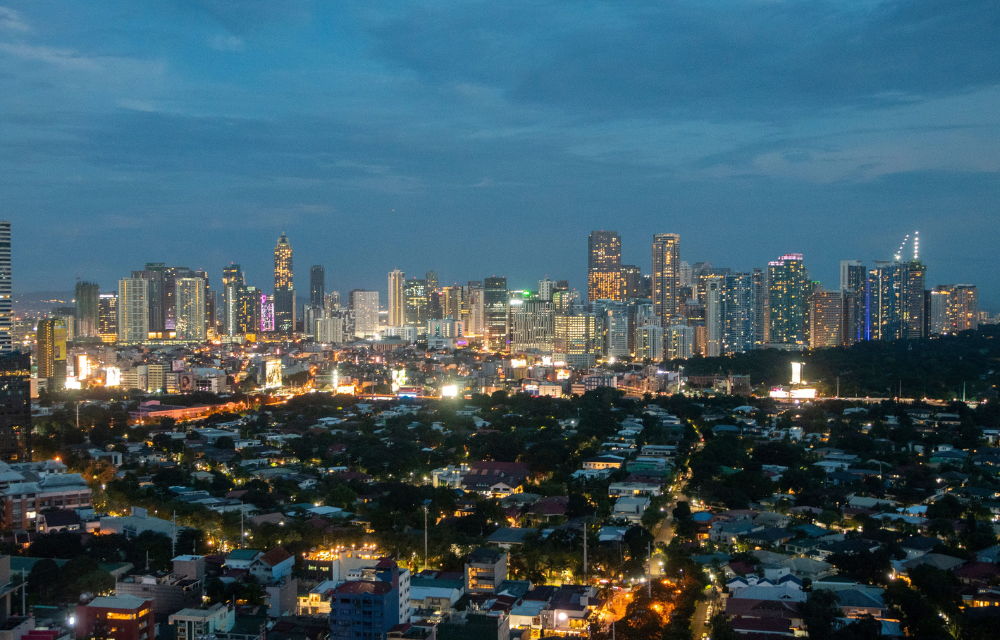
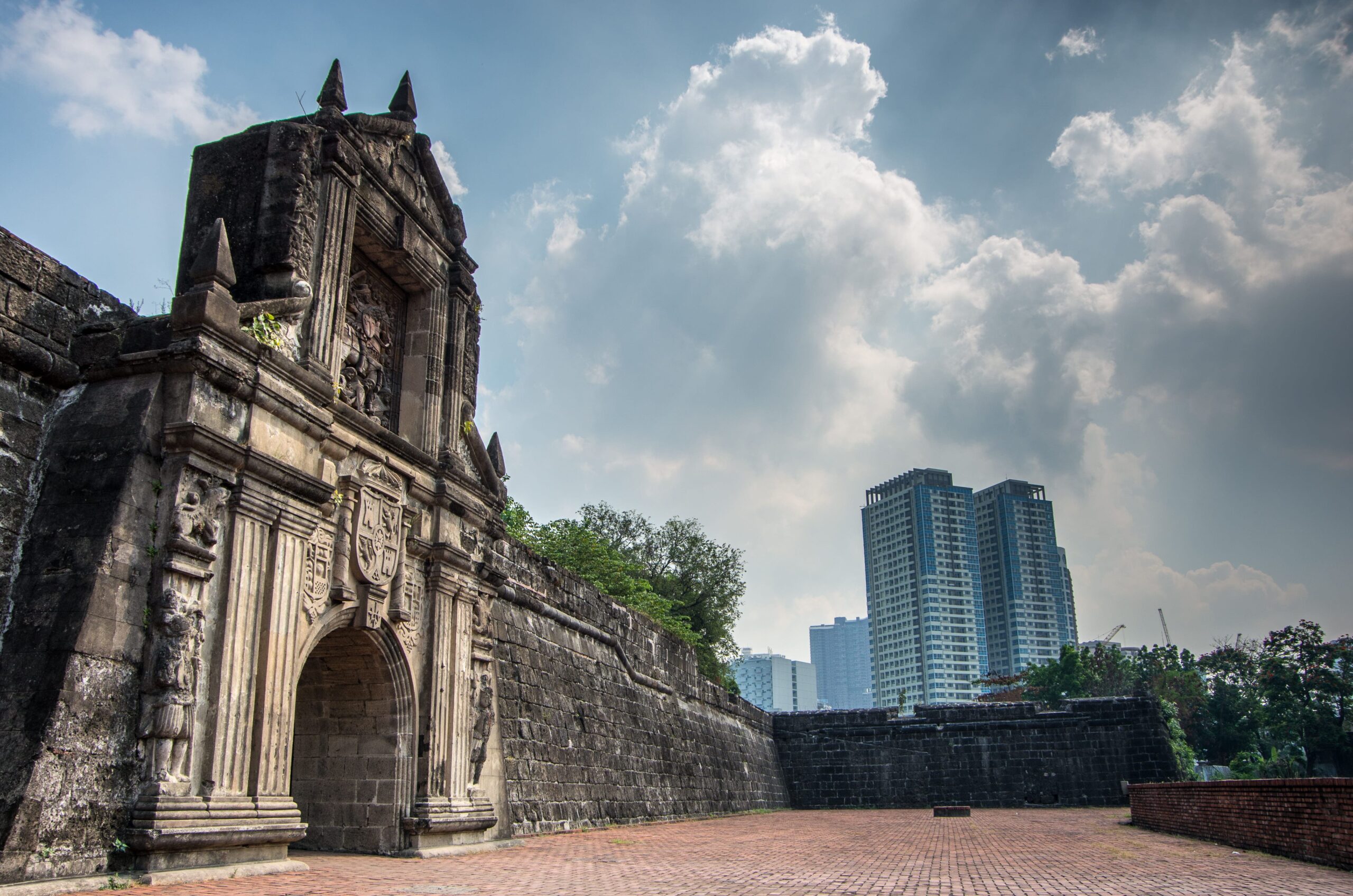
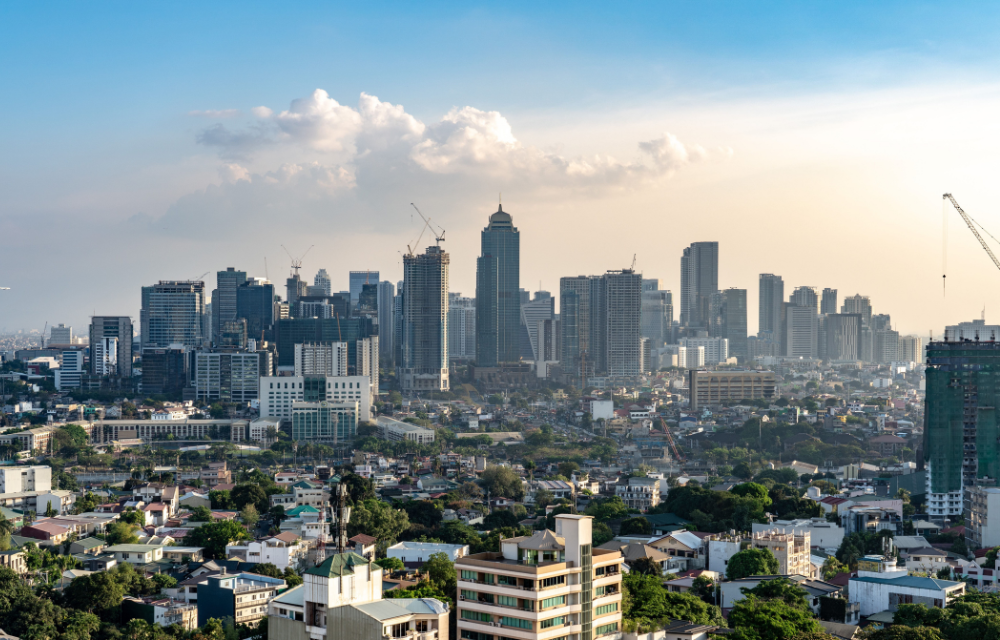
Coming from the Philippines, where environmental challenges are often urgent and visible, how did your perspective shift when you encountered Hungary’s environmental issues, which may be quieter but still significant?
There is no shift in perspective, it’s more about realizing the deprivation our country is suffering. I was made aware of the aid and subsidy that the government and non-government agencies create for their people working within the environment. And as to how they give importance to the researcher’s partnership with the farmers, and how it benefits both parties.
How did Nyíregyháza strike you when you first arrived, and is there a spot you’ve grown particularly fond of since then?
My first impression of Nyiregyhaza is that it’s very quiet, peaceful, “take your time” kind of place, because there is not much going on. Compared to where I came from in Manila, in the midst of civilization, I found this place very lonely and dull, but later I realized that this is actually the perfect place to study and focus on academics with little to no disturbance.
Before Environmental Science became your academic path, what personal experience or moment first made you aware of the environment as something fragile, powerful, or worth protecting?
My environmental awakening era started during my internship at the Bureau of Fisheries and Aquatic Resources in a rural area in the Philippines. That was the time I was able to make the connection between theory and application. That’s when everything made sense and made me realize why the environment plays such a vital role not just inside the classrooms and exams, but more on the people that depends on it to feed and family and make a living out of it. Hence, my passion to study and understand the environment has become more significant. This doesn’t end here, because aside from being knowledgeable about the environment, I do not want this to stop within me. Rather, I want to extend this knowledge to the students or communities so we can protect and save the environment together
What was the most unexpected cultural difference that challenged you — not in a difficult way, but in a way that made you rethink how you move through the world?
I think for me, it is about taking my time with things I do, so I do not always have to panic or rush myself into doing or finishing something. Back in the Philippines, where everything is everywhere and everything. Is happening all at once, I have adapted the sense of urgency of the country, even to the point where my health is at risk due to overfatigue, overworking, sleep deprivation, and so many mo
re. But in here, every task is allotted a reasonable amount of time, while you still manage to give time to yourself and mostly to give importance to your health.
Where do you see yourself heading after graduation — further studies, work, or something entirely different?
After graduation and finishing my MSc degree, I plan to further my education by pursuing my Doctoral degree on the same path. I believe this could help me broaden my knowledge and someday be able to produce more scientifically literate students.


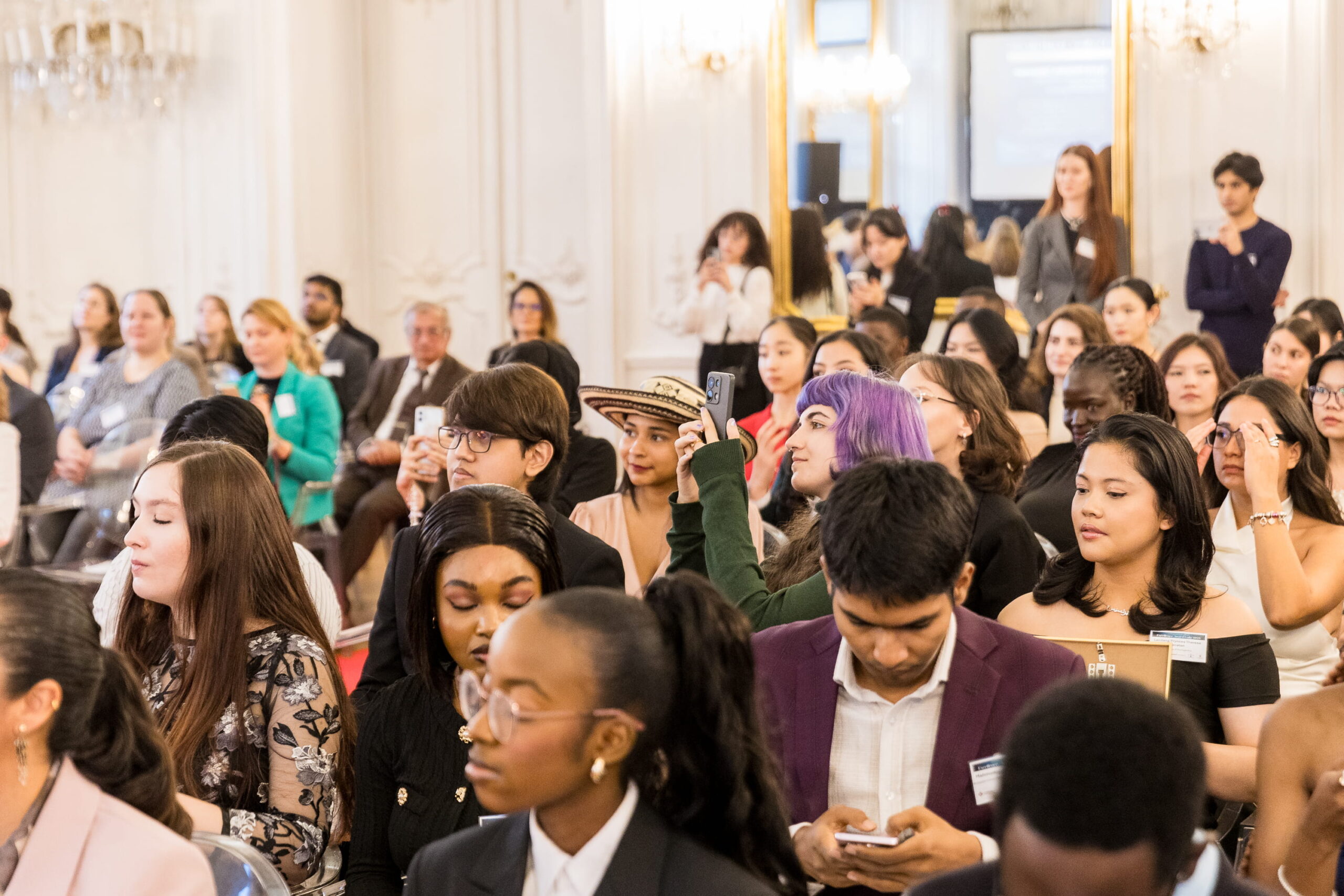
Feeling part of an international community is meaningful for many students. How do you imagine keeping those ties alive after graduation?
By forming and maintaining personal connections. The kind of connection I have with my international friends is not made possible in one day of talking; it took us time to actually be connected personally beyond the academic needs.
If you could leave one honest, unfiltered message to future Stipendium Hungaricum scholars — something you wish someone had told you — what would it be?
It’s going to be difficult but SHOW UP. It’s going to be uncomfortable but try. It’s going to feel lonely but socialize. It’s going to feel odd but understand. In 1 million problems that’re going to come your way, SHOW UP, stand up, seek, and make a conscious effort to find 2 million solutions.
„No matter what, show up.”
— Prynces Therese Lacatan Lacdang
Previously on Voices of Stipendium Hungaricum…
“Allow Yourself to Experience It Fully” — The Journey of Maryanne Wandia Guchu
Follow our updates!
Stipendium Hungaricum Excellence Gala